
El poder de la colaboración en el camino de sanación de un niño
Por Vicki Spriggs, directora ejecutiva de Texas CASA
Los niños ingresan al sistema de cuidado de acogida con más que una maleta. Llevan consigo trauma, incertidumbre y la dolorosa separación de las personas y los lugares que alguna vez fueron su hogar.
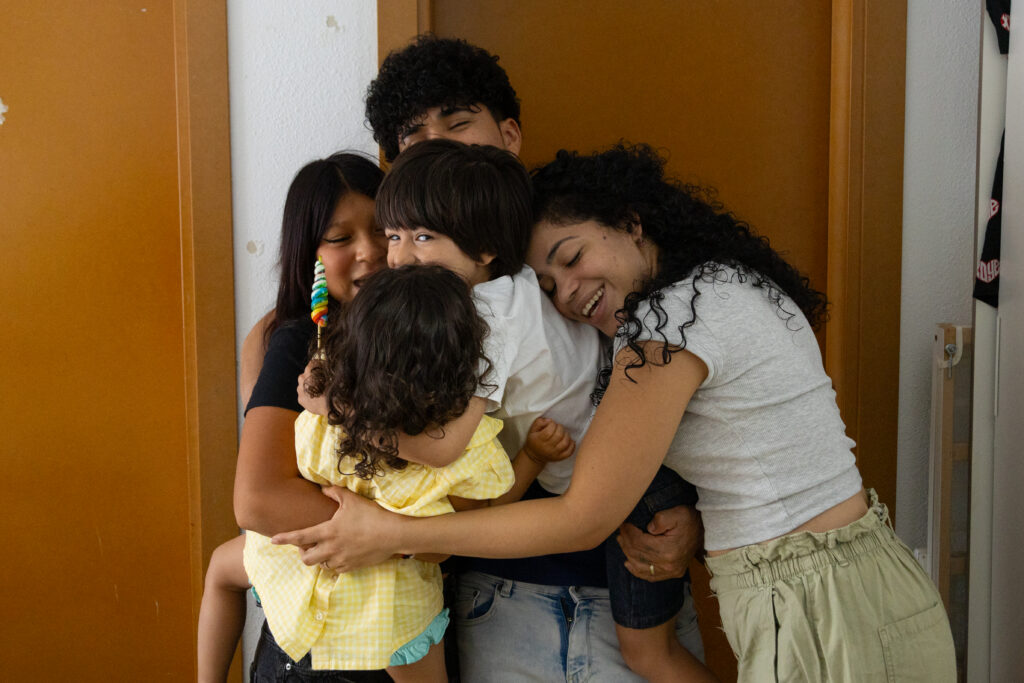
Para los cinco hermanos de la familia Johnson*, existía otra posibilidad desgarradora: separarse. Cuando sus padres ya no pudieron cuidar de cuatro de los cinco hermanos menores de 18 años, se enfrentaron al riesgo muy real de ser colocados en hogares diferentes. Su defensora especial designada por la corte (CASA), Tressie Nichols, y la trabajadora social, Kimberly James, estaban decididas a que eso no sucediera.
“Estos hermanos se querían tanto. La alegría que compartían cuando estaban juntos no solo era una luz en sus vidas, sino una luz en la mía”, dijo Tressie, una ex voluntaria de CASA que ahora trabaja en el personal de CASA of Southeast Texas. “Sabía que mi misión era mantener a estos niños juntos si era posible”.”
Después de que fallecieran dos de los padres de los hermanos y su madre renunciara voluntariamente a sus derechos parentales, Tressie agotó todos los esfuerzos de búsqueda familiar para localizar parientes u otros adultos de confianza que pudieran cuidar a los niños juntos. Aunque no se encontraron familiares, Tressie trabajó estrechamente con la trabajadora social de Texas Family Care Network (TFCN) de los niños, Kimberly, para ayudar a la hermana mayor a convertirse en tutora legal de su hermana menor cuando tenía 23 años. Sus hermanos fueron distribuidos en diferentes hogares de acogida hasta mayo de 2026, cuando finalmente pudo acoger a dos de ellos en su casa. Su tercer hermano vive en Houston, donde comenzará la universidad este otoño.
La colaboración continuó incluso después de que el trabajo legal concluyó. Juntas, CASA y TFCN ayudaron a los hermanos a construir un nuevo comienzo amueblando su hogar, proveyéndoles de comida y artículos esenciales de uso diario, y enseñando a la familia cómo utilizar recursos como el seguro médico. También ayudaron a la hermana mayor a obtener su licencia de conducir, encontrar un trabajo estable y asegurar un vehículo.
“Como CASA, pasé mucho tiempo conociendo a los niños. Tenía una buena idea de lo que necesitaban emocionalmente y qué podría hacer que una casa se sintiera como un hogar”, dijo Tressie. “Su trabajador social de TFCN les ofreció conexión con servicios sociales y ayudó a garantizar que sus necesidades básicas estuvieran cubiertas. Juntos, les dimos el apoyo que necesitaban para un nuevo comienzo. Debido a nuestros antecedentes y perspectivas únicas, logramos un mayor impacto al combinar nuestras fortalezas.”
Los voluntarios de CASA sirven como un puente entre los sistemas de bienestar infantil. Se asocian con trabajadores sociales, abogados y jueces para mantener el interés superior del niño en el centro de cada decisión. Si bien los roles y las políticas pueden cambiar con el tiempo, los voluntarios de CASA permanecen como una presencia constante en la vida de un niño y están ahí para cada hito importante. Esa defensa constante apoya a todo el equipo.
Durante los últimos nueve años, Texas ha estado transitando hacia la Atención Basada en la Comunidad (CBC, por sus siglas en inglés), un modelo que transfiere la responsabilidad estatal de los servicios de cuidado de crianza a organizaciones privadas sin fines de lucro llamadas Contratistas de Continuo de Fuente Única (SSCC, por sus siglas en inglés). Los SSCC coordinan servicios y apoyo para niños en cuidado de crianza, de manera muy similar a los Servicios de Protección Infantil (CPS, por sus siglas en inglés).
Hoy, más de 27,000 niños están en hogares de acogida en Texas. A menudo se les separa de familiares, amigos, escuelas, vecindarios, comunidades religiosas y adultos de confianza, elementos importantes que contribuyen a su sentido de normalidad y pertenencia. Algunos niños también experimentan múltiples colocaciones y son trasladados fuera de su condado de origen, lo que dificulta aún más mantener relaciones con sus seres queridos. La colaboración nunca ha sido tan esencial.
La familia Johnson vive en una comunidad que adoptó el modelo CBC. Su historia me recuerda lo que es posible cuando trabajamos juntos hacia un cambio significativo. Un voluntario y un trabajador social trabajaron en equipo para brindar estabilidad, un sentido de pertenencia y el comienzo de un camino hacia la sanación para estos cuatro hermanos, manteniéndolos juntos durante uno de los momentos más traumáticos de sus vidas. Así es la colaboración efectiva en el bienestar infantil.
El resultado positivo para la familia Johnson fue el resultado del programa Collaborative Family Engagement (CFE) de Texas CASA. CFE es un enfoque colaborativo a nivel estatal para la conexión que reúne a programas locales de CASA, CPS y SSCC —como Texas Family Care Network— para identificar e involucrar a parientes y otros adultos de confianza en la vida de un niño, con el fin de establecer relaciones permanentes y afectuosas junto con la permanencia legal.
Los entrenadores CFE de Texas, ubicados regionalmente, se asocian con programas locales de CASA, CPS y SSCC ofreciendo capacitación, herramientas y recursos para apoyar la sanación en los términos del niño, todo arraigado en la colaboración y la conexión.
A menudo, las personas dedicadas que apoyan a los niños en hogares de acogida trabajan en silos. Con CFE, cada socio desempeña un rol diferente, colaborando en sus áreas de especialización con un compromiso compartido: asegurar que cada niño tenga una red sólida y duradera de relaciones de apoyo a lo largo de su vida.
“Tenemos una excelente relación de trabajo con Texas Family Care Network. Todos tenemos la misma misión y rodeamos a los niños con apoyo”, dijo Tressie. “Cuando ayudamos a los niños a mantenerse conectados con las personas que los conocen, los aman y los apoyan, creamos oportunidades de sanación que ningún sistema puede proporcionar por sí solo. Mi objetivo en Texas CASA es trabajar no solo por un sistema más eficiente, sino también por uno más conectado. En mis décadas de servicio a los niños y familias de Texas, he aprendido que el sistema de bienestar infantil funciona mejor cuando nadie trabaja solo. Cada día que colaboramos es una oportunidad para fortalecer ese sistema y asegurar que cada niño tenga el apoyo y las relaciones que necesita para prosperar.”
El apellido de la familia ha sido cambiado para proteger su privacidad.




 Read in English
  Leer en Español